- Home
- About Us
- EMR Features
-
-
- EMR Features
-
- Patient Health Features
-
- Clinic Features
-
-
- Specialties
-
- Blog
- Contact Us
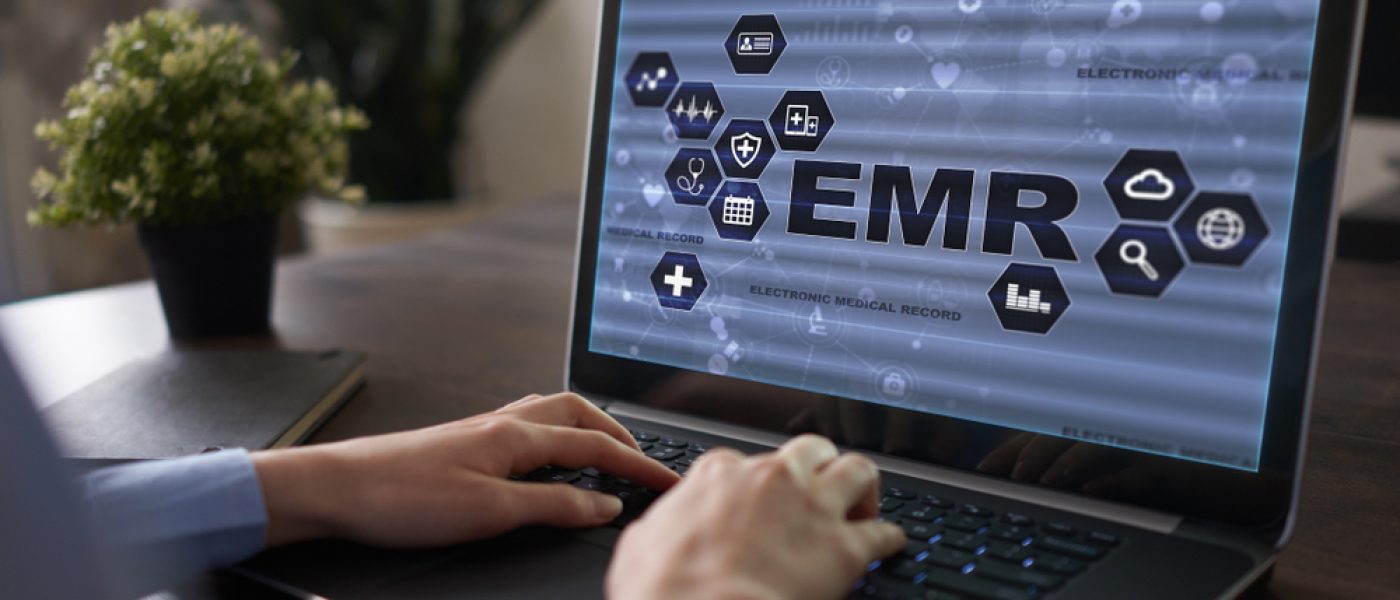
Longer appointments are the norm—not the exception—in specialty care. From complex assessments to multi-step procedures, specialty clinics operate on extended visit timelines that demand careful coordination. Specialty practice EMR software plays a critical role in keeping these longer visits structured, predictable, and operationally efficient, even when clinical complexity increases.
Without the right systems in place, long visits can easily disrupt schedules, overload providers, and introduce billing inconsistencies. Modern EMR platforms built for specialty workflows help clinics stay organized, aligned, and productive while supporting the depth of care that specialty patients require.
Specialty clinics manage visit types that go far beyond standard consultations. These may include diagnostic evaluations, treatment planning sessions, procedural visits, or follow-ups tied to ongoing care plans.
Longer visits often involve:
An EMR for specialty clinics must account for these factors without slowing down operations or fragmenting workflows.
Extended visits introduce operational challenges that general-purpose systems struggle to handle. Time overruns, documentation delays, and scheduling conflicts become more frequent when workflows lack structure.
Specialty clinics benefit from systems that:
An EMR for specialty practice clinics supports these needs by embedding workflow logic directly into scheduling, documentation, and billing processes.
Standardization is the foundation of efficiency. EMR systems designed for specialty care allow clinics to define visit types based on clinical and operational requirements.
Standardized visit templates help clinics:
By structuring visits consistently, specialty practice EMR software helps clinics manage longer appointments without constant manual adjustments.
Not all long visits are equal. Some require focused provider time, while others involve staggered clinical steps. Intelligent scheduling within EMR systems aligns slot duration with visit complexity.
This approach supports:
When EMR for specialty clinics connects scheduling logic with visit definitions, clinics avoid bottlenecks and protect provider availability.
Documentation demands increase with visit length. Without structured support, providers spend excessive time charting after hours, increasing their risk of burnout.
EMR systems streamline documentation through:
An EMR for specialty practice clinics ensures that documentation keeps pace with care delivery, even during extended encounters.
Many specialty visits involve multiple steps—intake, assessment, procedure, and follow-up—often handled by different staff members. EMR systems coordinate these activities within a single workflow.
This coordination enables:
By centralizing workflows, specialty practice EMR software keeps long, multi-step visits moving efficiently.
Analytics turn experience into insight. EMR systems track how long visits actually take and how they impact clinic flow.
Analytics support:
With data-driven insights, EMR for specialty clinics enables continuous improvement in scheduling and visit management.
Long visits can strain provider schedules if not managed carefully. EMR systems improve utilization by aligning workloads with realistic time expectations.
This alignment results in:
An EMR for specialty practice clinics ensures that extended visits support, rather than undermine, productivity.
Billing complexity increases with visit length and scope. Missing documentation or mismatched codes can delay claims and increase rework.
EMR systems reduce billing risk by:
This structured approach helps specialty clinics manage extended visits while maintaining billing accuracy.
Also read: 10 Key Features to Look for in Medical Billing Software to Streamline Your Practice
Clear communication improves long-visit efficiency before patients even arrive. EMR-integrated communication tools prepare patients for extended appointments.
These tools support:
When EMR for specialty clinics supports patient communication, clinics reduce delays and improve visit readiness.
Specialty clinics achieve the best results by aligning EMR capabilities with real-world workflows.
Best practices include:
A well-configured specialty practice EMR software becomes a long-term operational asset rather than just a record-keeping tool.
Longer visits are essential to specialty care, but they do not need to disrupt clinic operations. EMR systems built for specialty workflows provide the structure, visibility, and automation required to manage extended visits efficiently and consistently.
Alembico EMR supports specialty clinics with intelligent workflows, structured documentation, and integrated scheduling designed for complex care environments. Clinics looking to improve efficiency, reduce errors, and support accurate EMR for specialty billing can move forward confidently with Alembico EMR—where long visits stay productive, organized, and fully connected. Contact us today!
Tags: EMR for specialty clinics, EMR software, Specialty practice EMR software